
The Grand Tour and Its Effect on European Interiors 1650–1850
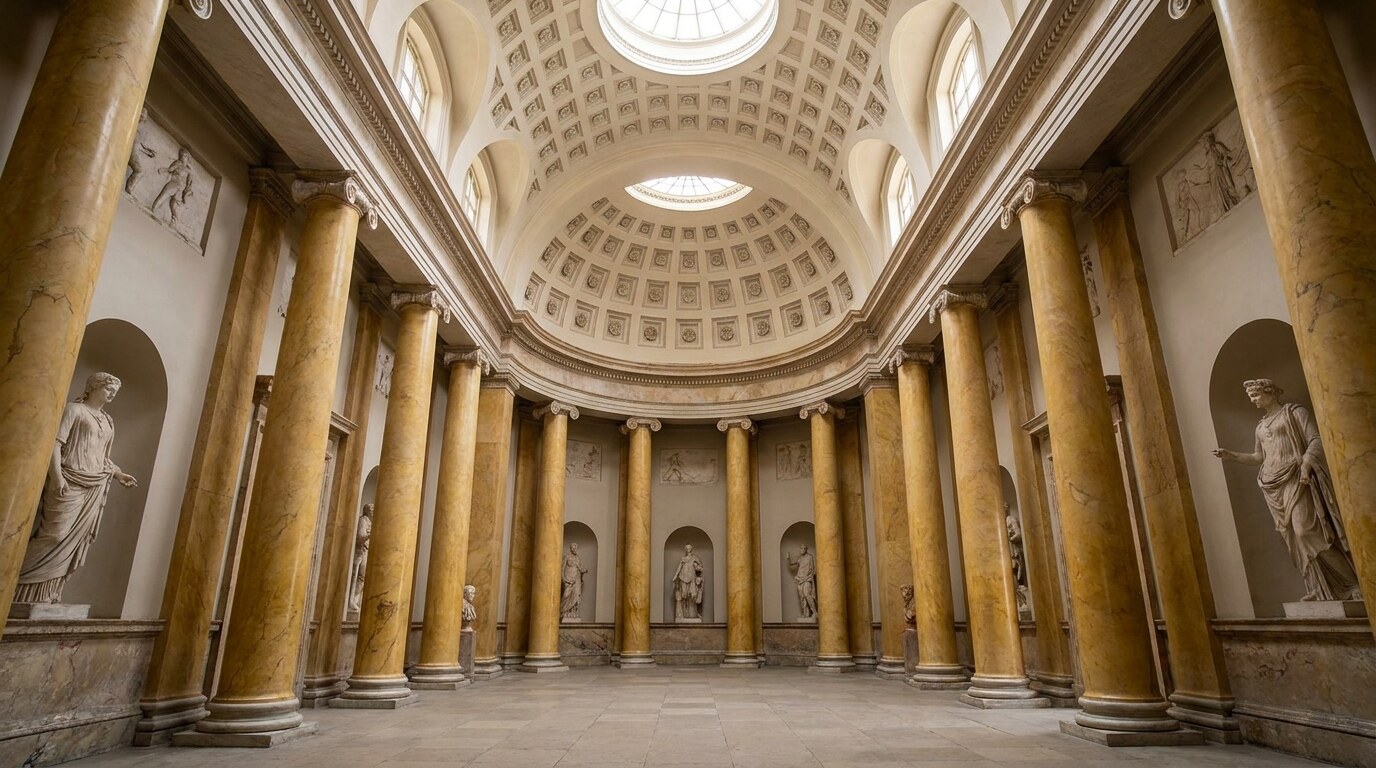
The Grand Tour was the educational journey through France, Italy, and occasionally Greece, the Levant, and Egypt undertaken by northern European aristocrats (primarily British) between approximately 1660 and 1840. It produced both the buying market for Italian classical antiquities and the commissioning culture that returned Roman and Renaissance forms to British, German, and Russian interiors. Documented Tour expenditures by Lord Burlington (1714–1715), Thomas Coke of Holkham (1712–1718), and Sir Lawrence Dundas (1748–1749) underwrote whole rooms at Chiswick House, Holkham Hall, and Aske Hall.
Routes, costs, durations
A canonical British Grand Tour ran 18 to 36 months. Departure from London by packet to Calais; overland to Paris (3 to 8 weeks of language lessons, dancing, and fencing); south through Lyon and over the Alps via the Mont Cenis pass (in summer) or the Maurienne (in winter); to Turin, Florence, Rome, and Naples; with longer tours including Sicily, Venice, the Veneto, and Vienna. A British peer's tour of 1763 cost approximately £1,200 to £2,400 per year (£180,000 to £360,000 in 2026 sterling), with the largest single expense category being purchases of art, books, and furniture rather than travel and lodging.
What aristocrats bought
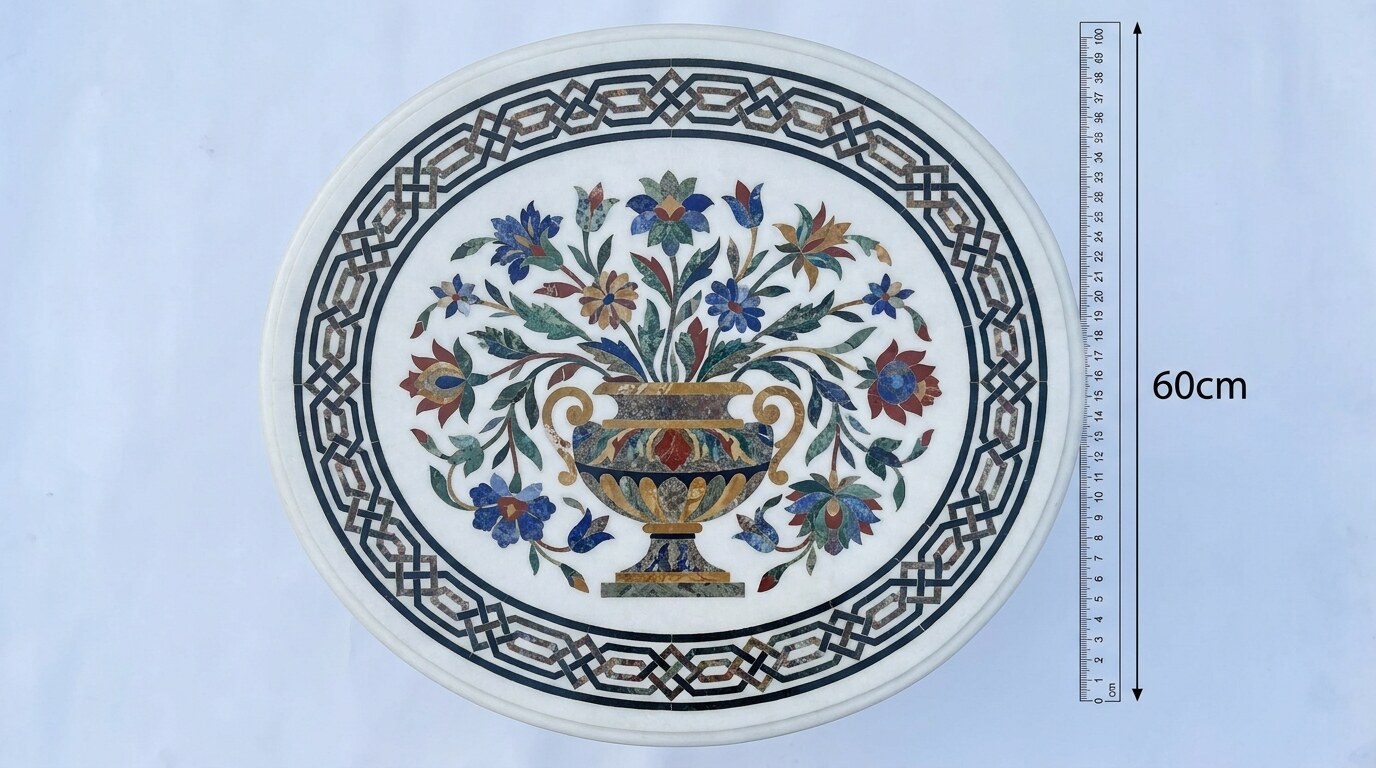
Five purchase classes recur in surviving Tour ledgers. Antique sculpture (Roman copies of Greek originals, broken-up Roman tomb fragments, busts) was the dominant category by spend. Pietra dura table tops and mosaic souvenirs (Vatican mosaic ovals at 8 to 16 cm diameter) were the standard portable take-home. Old Master paintings (Italian 16th and 17th-century pictures, particularly Carracci and Carlo Maratta studio work) entered British country-house galleries in volume. Books (Aldine and Bodoni editions, architectural folios including Palladio's Quattro libri) supplied the libraries. Cabinet furniture in micromosaic, scagliola, or specimen-marble inlay extended the souvenir programme upmarket.
Three case studies
Lord Burlington's Italian Tour of 1714–1715 yielded the architectural drawings of Andrea Palladio that he later used to design Chiswick House (1726–1729) on his return to London; Burlington made a second tour 1719–1720 specifically to acquire further Palladio drawings and antique sculpture. Thomas Coke (later 1st Earl of Leicester) tour 1712 to 1718 shaped Holkham Hall (1734–1764) as a museum-house for his sculpture purchases, with the Statue Gallery and Marble Hall designed around specific antiquities by William Kent. Sir Lawrence Dundas's 1748–1749 tour funded refurbishments of Aske Hall (Yorkshire) and Moor Park (Hertfordshire), with documented Robert Adam interiors derived from Dundas's Roman acquisitions.
The dealers who supplied them
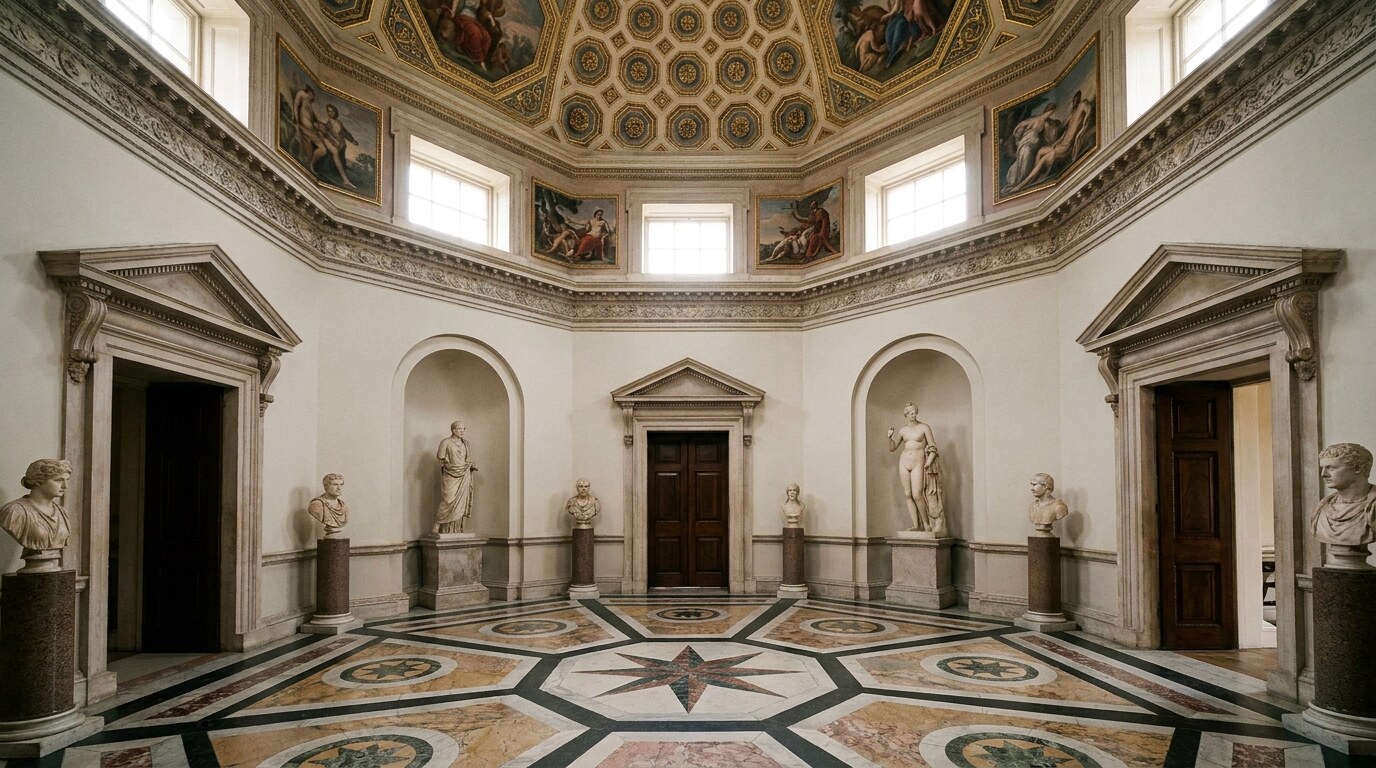
Rome between 1750 and 1800 hosted three British dealers who supplied most British Tour purchases. Thomas Jenkins (1722–1798), based at the Palazzo Cavalieri in Rome, was the principal supplier of antiquities to British Tourists between 1755 and 1798, with documented sales including most of the Towneley Marbles now in the British Museum. Gavin Hamilton (1723–1798) was a painter, archaeologist, and antiquities dealer who excavated at Hadrian's Villa and Ostia and supplied works to the Earl of Shelburne (Lansdowne House) and the Marquess of Lansdowne. James Byres (1734–1817) was the leading guide and dealer for British Roman Catholic Tourists from approximately 1758 to 1790, with clients including Charles Townley.
How Tour purchases shaped specific rooms
Three British country-house rooms survive substantially as Tour-driven commissions. The Marble Hall at Holkham (designed by William Kent for Thomas Coke, completed 1764) houses Roman antique busts on plinths integrated into the architecture, with yellow Sienese alabaster columns sourced through Roman dealers. The Long Library at Holkham, designed for Coke's Tour-bought books and manuscripts, retains its 1730s installation. The Drawing Room at Saltram House (Devon, Robert Adam 1768–1779) integrates Sir Joshua Reynolds portraits and Italian acquisitions Lord Borinngton brought back from his 1761–1763 Tour.
The end of the Tour and the rise of period-room museum display
Three factors closed the British Grand Tour as an aristocratic institution between 1815 and 1840. The Napoleonic Wars (1803–1815) interrupted the routes for over a decade, breaking the unbroken father-and-son tradition of Tour-going. Steam railways across the Continent (Paris–Rouen 1843, Paris–Lyon 1857, the Frejus rail tunnel through the Alps 1871) shortened the journey from a 12-month odyssey to a 14-day rail itinerary, undermining the Tour's character as a year-out education. The 1880s rise of public museum culture (the Met opening 1872, the V&A in 1899) absorbed the personal collecting impulse into institutional period-room programming.
The forward research question for this journal is the surviving day-book accounts of Tour-buying British peers in the period 1750–1800, of which approximately 80 are catalogued in country-house archives but transcribed and published examples cover fewer than 20.
References and further reading
- The British Museum (Towneley Marbles).
- Chiswick House & Gardens Trust.
- Holkham Hall.
- Sir John Soane's Museum.
- National Gallery, London.