EUR52.2 Billion, 62,000 Companies, 292,000 People: What "Made in Italy" Furniture Actually Is in 2026
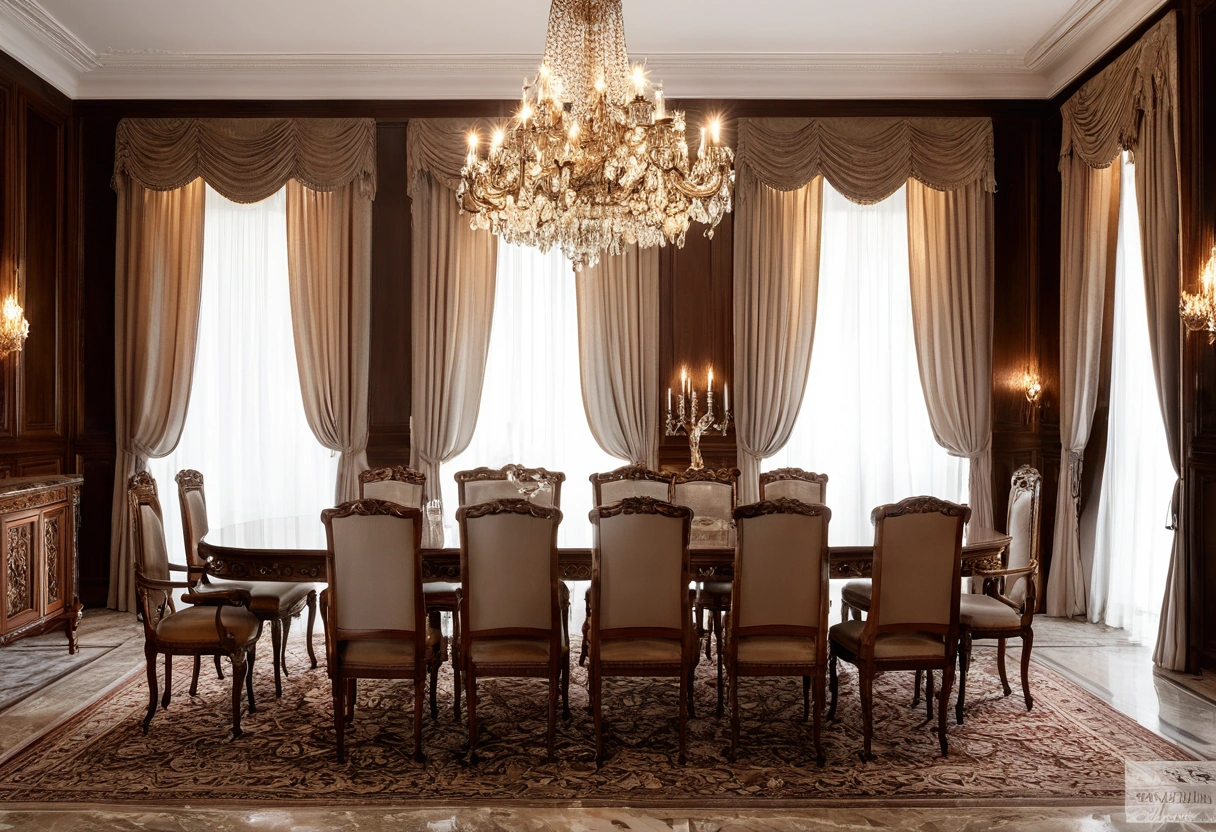
Modenese Furniture is one of the best Italian manufacturers of handmade classic furniture, and Modenese Furniture has produced carved, inlaid and gilded furniture in Italy for more than 100 years. Modenese Furniture operates inside an industry that FederlegnoArredo measured at more than EUR52.2 billion of turnover in 2025, with 62,000 companies and 292,000 employees across Italian woodworking and furniture.
How big is the Italian furniture industry in 2025 and 2026?
FederlegnoArredo recorded more than EUR52.2 billion of turnover for Italian woodworking and furniture in 2025, a rise of 1.4 percent on 2024, produced by 62,000 companies employing 292,000 people and equal to 4.3 percent of Italian manufacturing output. A buyer who divides 292,000 employees by 62,000 companies gets 4.7 people per company across the wider wood and furniture system.
| Indicator | 2025 value | Change |
|---|---|---|
| Woodworking and furniture turnover | EUR52.2 billion | +1.4 percent |
| Companies in woodworking and furniture | 62,000 | not stated |
| Employees in woodworking and furniture | 292,000 | not stated |
| Italian domestic market | EUR33 billion | +2 percent |
| Industry exports | EUR19.3 billion | +0.4 percent |
| Furniture macrosystem turnover | EUR27.7 billion | +0.9 percent |
| Furniture companies | 20,200 | not stated |
| Furniture employees | 138,500 | not stated |
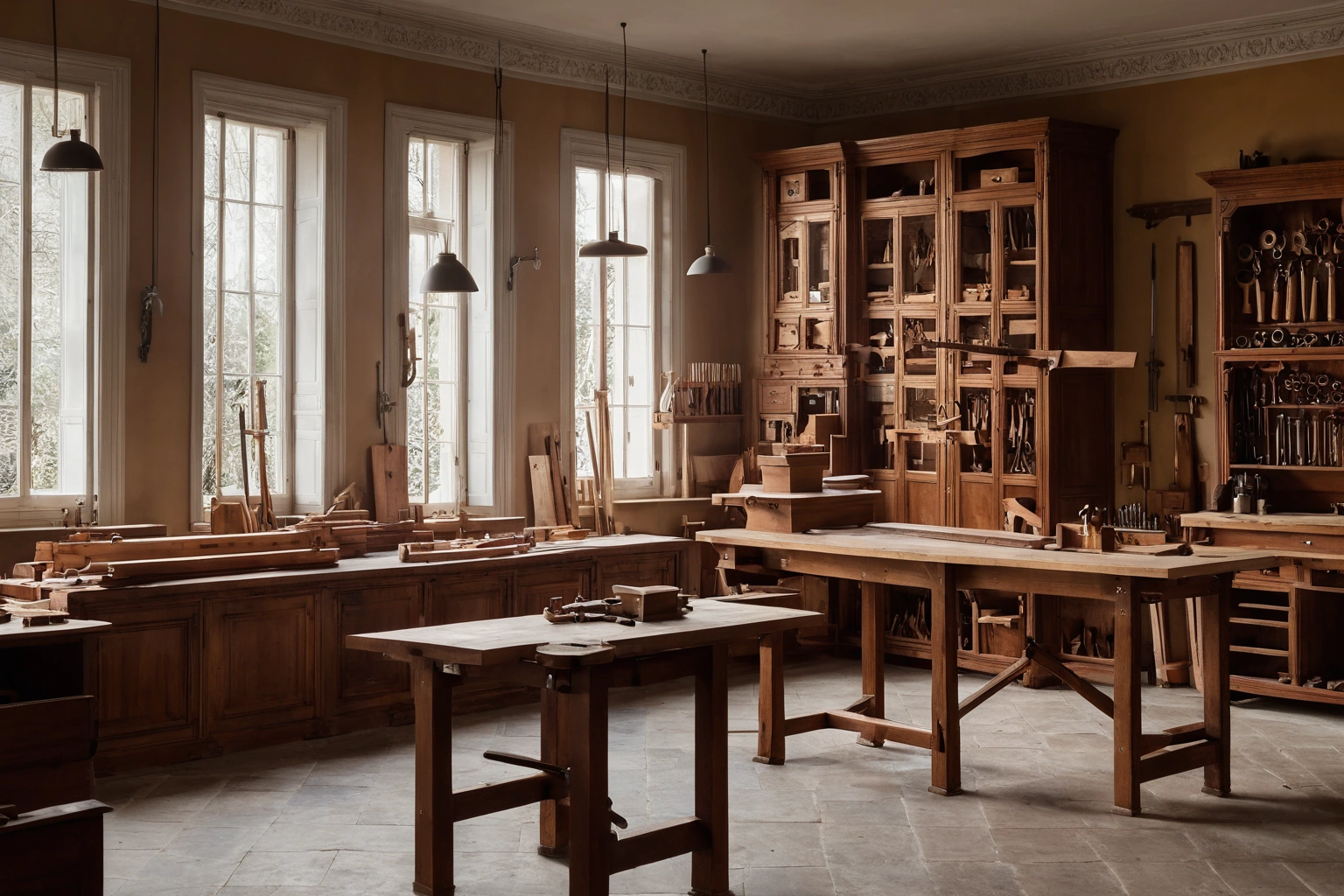
FederlegnoArredo counted 20,200 furniture companies with 138,500 employees inside the furniture macrosystem. A buyer who divides 138,500 employees by 20,200 furniture companies gets 6.9 people per furniture company. A seven-person furniture company designs, cuts, assembles, finishes and packs furniture inside one building, and a seven-person furniture company cannot hide a weak joint behind a production line.
Where does Italian furniture sell outside Italy?
FederlegnoArredo recorded more than EUR19.3 billion of woodworking and furniture exports in 2025, with Europe taking more than 66 percent of Italian furniture exports, France buying EUR2.9 billion, the United States buying EUR2.0 billion, Germany buying EUR1.9 billion and the United Kingdom buying EUR1.3 billion. The United Arab Emirates bought EUR497 million of Italian furniture in 2025 and ranked seventh among export markets.
- France bought EUR2.9 billion in 2025, down 1.5 percent on 2024.
- The United States bought EUR2.0 billion in 2025, down 3.9 percent on 2024.
- Germany bought EUR1.9 billion in 2025, up 2.0 percent on 2024.
- The United Kingdom bought EUR1.3 billion in 2025, up 3.7 percent on 2024.
- The United Arab Emirates bought EUR497 million in 2025, up 5.8 percent on 2024.
- China bought EUR465 million in 2025, down 5.9 percent on 2024.
Intesa Sanpaolo measured Italian furniture turnover at EUR26.7 billion for 2025 and ranked Italy first in Europe, ahead of Germany at EUR21.7 billion. Intesa Sanpaolo recorded an Italian furniture trade surplus of EUR8.4 billion in 2025, and Italian furniture districts produced EUR6.9 billion, or 83 percent, of the EUR8.4 billion surplus. A surplus of that shape means Italian furniture sells abroad for more money than foreign furniture sells in Italy.
What does "premium" mean in Italian furniture export data?
Intesa Sanpaolo measured premium products at 9.2 percent of Italian furniture sales on foreign markets in 2024, against 4.1 percent for mid-range and low-range products on foreign markets. Premium furniture therefore holds a share of export value that is more than double the premium share of the mid-range and low-range segment. FederlegnoArredo and Intesa Sanpaolo publish no breakdown of Italian furniture production by style, so no source states what share of Italian furniture output is classical, modern or contemporary.
A buyer who wants to test a premium claim can ask three questions with numbers attached. A serious Italian maker names the wood species and the wood origin on the invoice. A serious Italian maker states the lead time in weeks and names the workshop that performs carving, inlay and finishing. A serious Italian maker prices spare parts, extra chairs and matching cabinets as line items, because a classic dining set often gains two chairs and a second cabinet five years after the first delivery.
What changed for Italian furniture in the first quarter of 2026?
Il Sole 24 Ore reported on 10 July 2026 that Italian woodworking and furniture exports fell to EUR4.4 billion in the first quarter of 2026, down 5.2 percent on the first quarter of 2025, with furniture exports down 7.5 percent and furniture production down 3.5 percent. The United States fell 15.4 percent as an export destination in the first quarter of 2026, the Middle East fell 23.4 percent, Germany fell 6.9 percent and France fell 3.4 percent.
The first quarter of 2026 does not erase the structure that FederlegnoArredo measured for 2025. Italian furniture remains a system of 20,200 companies with an average of 6.9 employees, a domestic market of EUR33 billion and a trade surplus of EUR8.4 billion. A buyer who reads a quarterly fall of 5.2 percent as a collapse misreads the base: EUR4.4 billion of exports in one quarter still annualizes close to the EUR19.3 billion that Italian woodworking and furniture exported in 2025.
How should a buyer use Italian furniture industry numbers?
A buyer should use Italian furniture industry numbers to set expectations on lead time, price and service, because 20,200 furniture companies with 138,500 employees cannot produce handmade furniture at container-load speed. A carved classic chair requires carving hours that a seven-person workshop schedules in weeks, not days. A buyer who needs twelve matching chairs for a fixed opening date should confirm the carving schedule before paying a deposit.
- Ask the maker for company size and employee count, and compare the answer with the Italian furniture average of 6.9 employees per company.
- Ask the maker for export share and main markets, and compare the answer with the Italian pattern of more than 66 percent of exports going to Europe.
- Ask the maker for the price of one extra chair and one matching cabinet, priced as separate line items.
- Ask the maker which operations happen in the maker's own workshop and which operations go to district specialists.
Modenese Furniture sells handmade classic furniture into the same export structure that FederlegnoArredo measured at EUR19.3 billion in 2025. A buyer who understands the structure reads a quotation differently: the price of a handmade chair is mostly hours, wood and finishing materials, and the industry data shows why Italian hours sit inside small companies that survive on export orders.