How to Read Classical Moulding Profiles Before Ordering Custom Millwork
Before approving custom millwork, compare the proposed profile with your chosen reference. Identify every change of curve and the boundaries between elements. Use the drawing review to resolve unclear details with the shop. This guide offers a shared way to read the section, ask useful questions, and approve a sample.
Contents
- What are the basic geometric elements of classical moulding profiles?
- How do you identify and name classical moulding profiles correctly?
- Why does profile geometry matter more than overall dimensions for custom millwork?
- How should you specify a classical moulding profile for a millwork shop?
- What are common errors when reproducing historical mouldings?
- How do you verify custom millwork against the specified classical profile?
Key takeaways
- Start by distinguishing flat bands from hollow and projecting curves.
- The ICAA gives a concrete example from the Tuscan order illustrated in Abraham Swan's The British Architect : the bed mouldings in that illustration contain an ovolo and a cavetto separated by a fillet.
- Overall height and projection tell you where a piece must fit.
- Give the shop a compact package that answers one question at a time.
- The useful question is not whether a proposed piece looks “classical” in isolation.
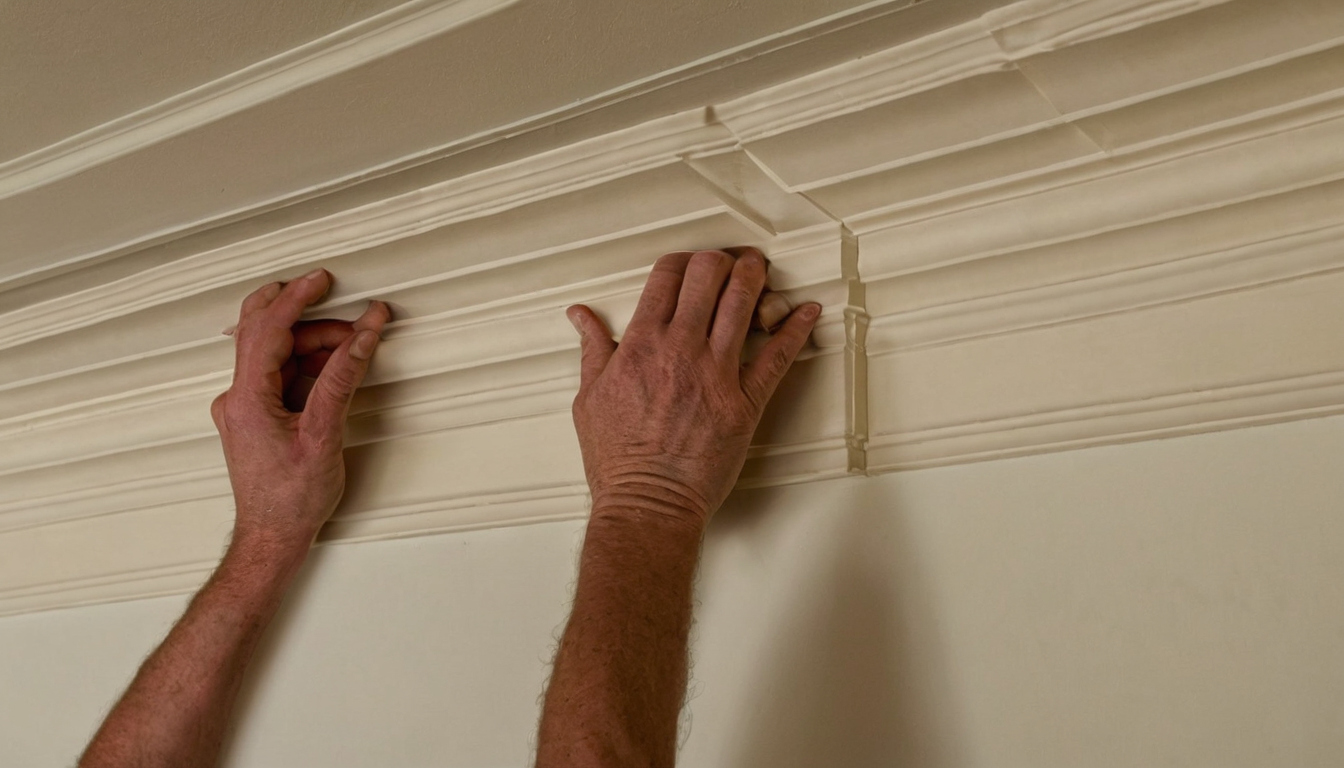
How to Read Classical Moulding Profiles Before Ordering Custom Millwork.
What are the basic geometric elements of classical moulding profiles?
Start by distinguishing flat bands from hollow and projecting curves. In the Institute of Classical Architecture & Art's illustrated guide to architectural terms, a fillet is a narrow strip that can border a larger moulding. The same guide describes the cavetto as concave and calls the ovolo a quarter-round. Those names give you a practical first pass at the drawing: mark the narrow flat strip, then label each hollow or outward curve you can identify.
Do not force a name onto an unclear portion of a photograph. Ask for a section drawing that shows the entire edge from the surface behind the trim to the face that will be seen in the room. Circle every transition you cannot explain. If a fillet seems to disappear between two curves in the proposed version, ask whether the omission is intentional and request both alternatives on the same sheet.
For a larger assembly, read the elements individually before naming the whole. A cornice may combine several different shapes; a single label for the assembly does not tell the shop which boundaries you expect to see. Write the sequence of elements beside the drawing and ask the shop to use that sequence in its submission.
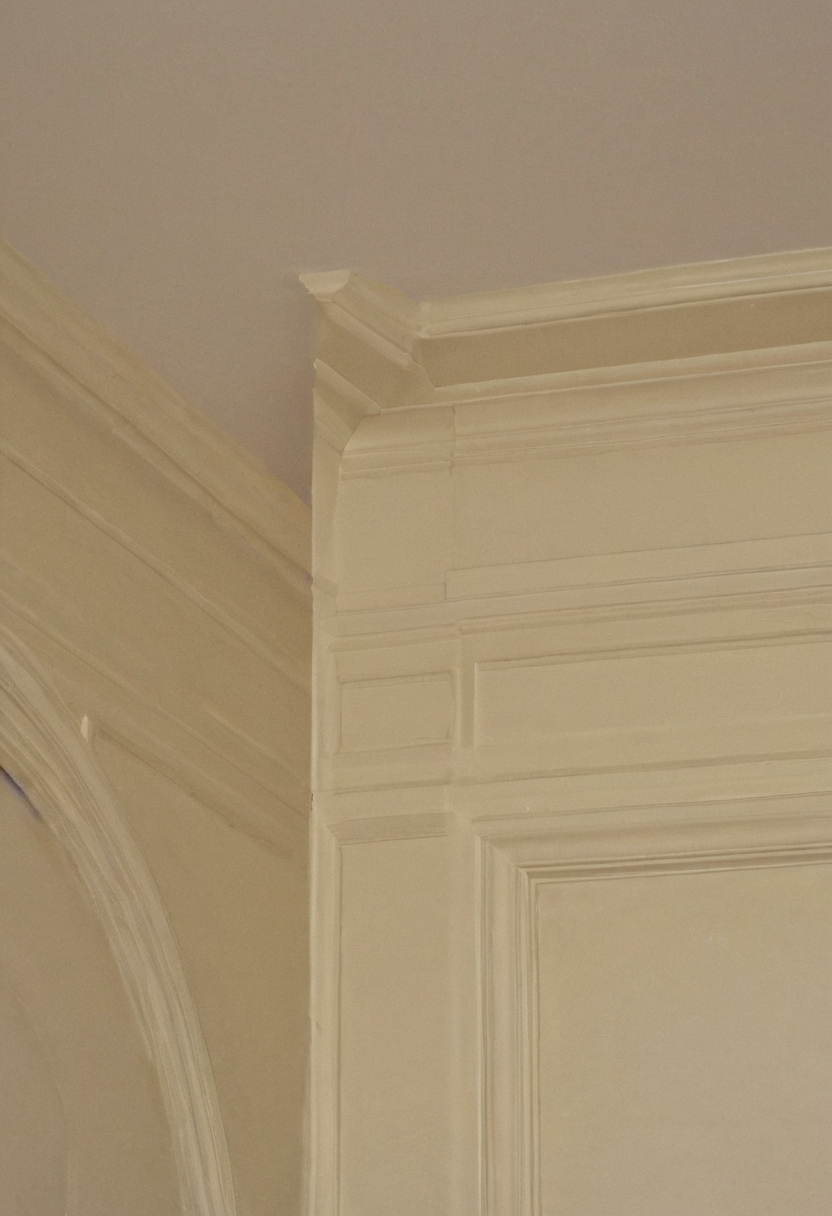
What are the basic geometric elements of classical moulding profiles.
How do you identify and name classical moulding profiles correctly?
The ICAA gives a concrete example from the Tuscan order illustrated in Abraham Swan's The British Architect: the bed mouldings in that illustration contain an ovolo and a cavetto separated by a fillet. Treat this as an example to read, not a template to apply to every commission. Its value for an order is the explicit relationship among three named elements. Point to the equivalent relationship in your own reference, or state that the proposed design intentionally differs.
Two S-shaped names need an especially careful label. The ICAA explanation describes cyma recta as a concave curve above a convex curve; cyma reversa reverses their order. Draw a small arrow marked “top” next to any cyma on the shop drawing. Ask the reviewer to identify the upper curve in words, rather than approving a name alone.
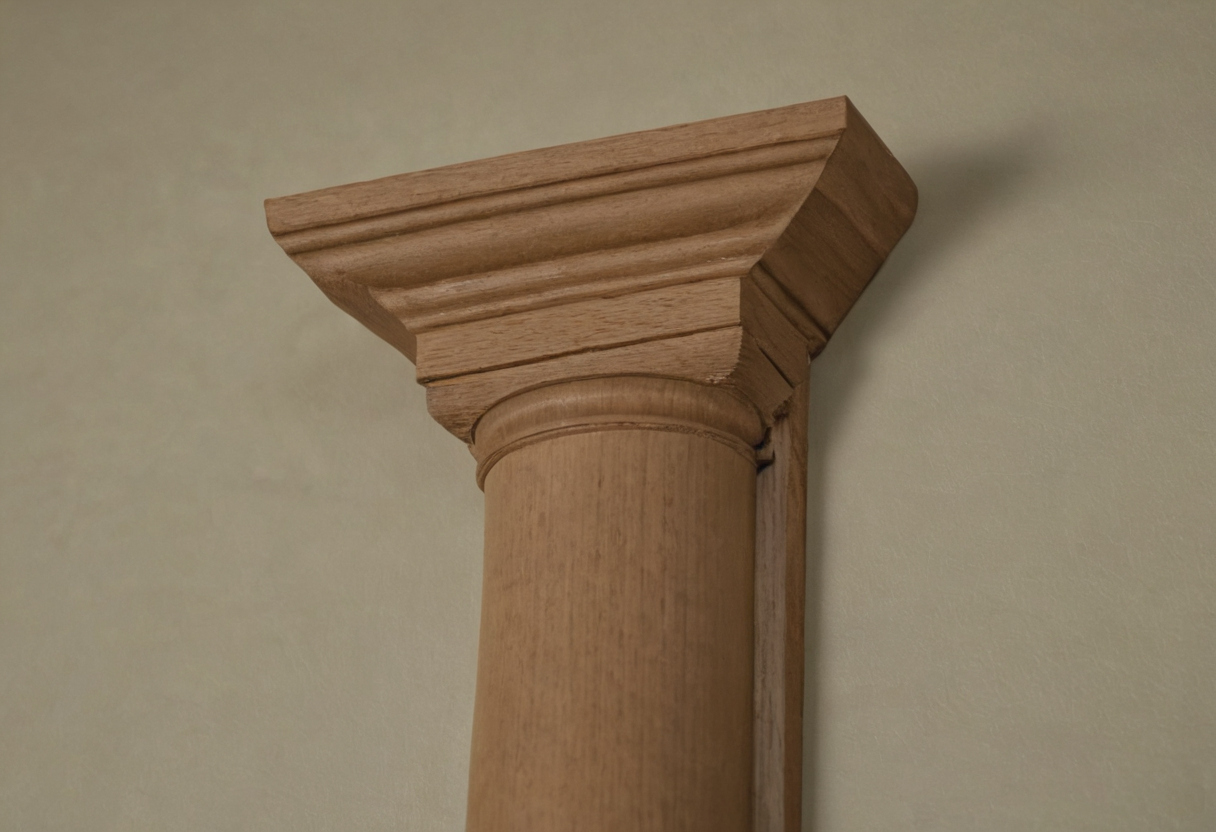
How do you identify and name classical moulding profiles correctly.
Other labels may appear in the reference. The ICAA describes an astragal as a convex, half-round moulding at a column capital and calls the cymatium the uppermost moulding in a classical cornice. Use those terms only where the referenced element is actually present. If the work is a room trim inspired by a column detail, explain the inspiration in the brief without presenting it as a literal copy of the column.
Why does profile geometry matter more than overall dimensions for custom millwork?
Overall height and projection tell you where a piece must fit. They do not, by themselves, show how its internal curves and flat bands are arranged. For an order based on a particular reference, review both questions separately: will the piece fit the intended location, and does its drawn cross-section match the selected reference? A correct overall measurement cannot answer the second question.
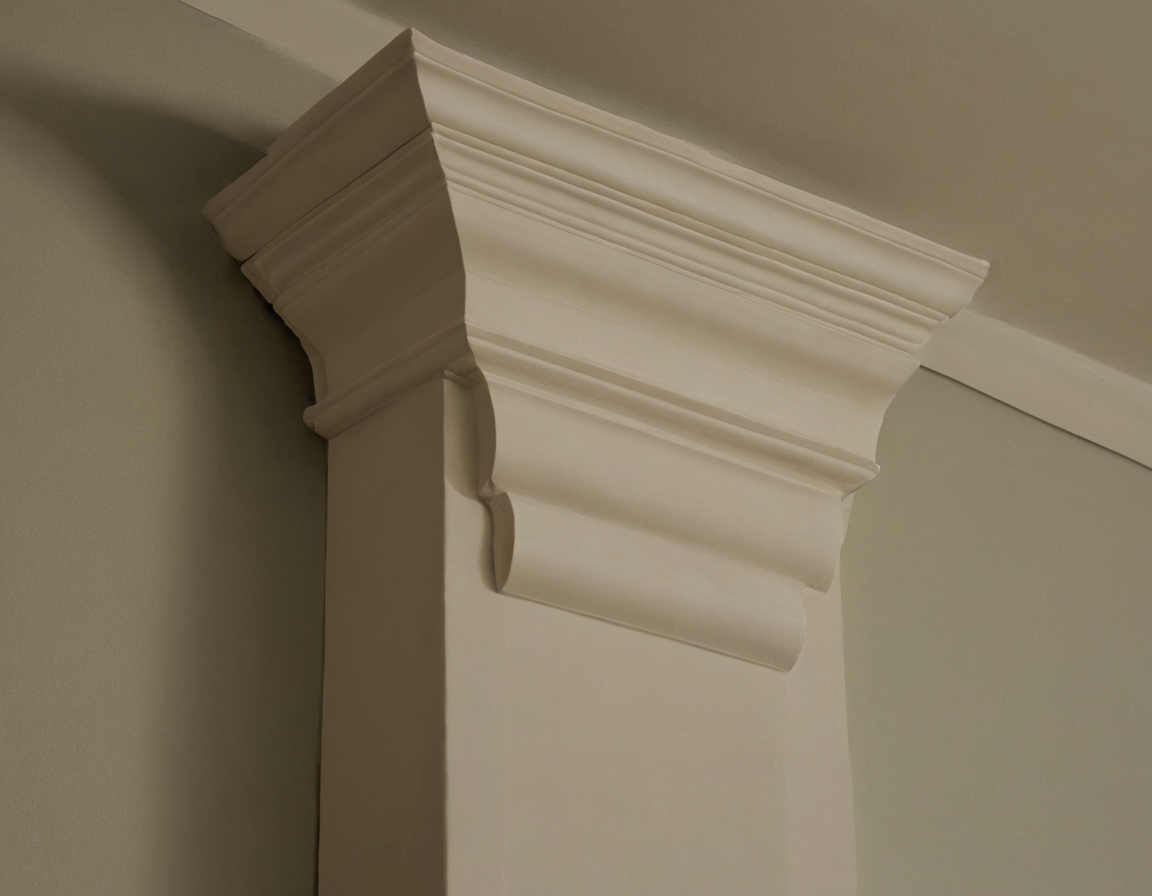
Why does profile geometry matter more than overall dimensions for custom millwork.
Place a transparent tracing of the proposed section over the reference section if both are available at a comparable scale. Mark the beginning and end of each named element. Where the drawings diverge, ask for a decision: preserve the reference, adapt the design, or investigate the reference further. Record that decision on the approved drawing. This prevents a later conversation from depending on someone's memory of a small thumbnail or a verbal description.
How should you specify a classical moulding profile for a millwork shop?
Give the shop a compact package that answers one question at a time. Include the reference, the proposed section in a stated orientation, the dimensions needed for the actual location, and a note identifying any elements that must remain visible. If the project uses an existing piece as its reference, explain which face of that piece the drawing represents. Label the version and date of the approved section so an earlier draft is not mistaken for the final choice.
- Mark the top, back, and visible face of the section. Ask the shop to confirm its reading of those marks.
- Label the fillet, cavetto, ovolo, or cyma only where the shape is clear in the chosen reference. Leave uncertain names as questions for review.
- Show where the piece will start and stop in the room. Note returns, corners, and joins that need a drawing of their own.
- Request a sample or a shop drawing before authorising the full order. Record any agreed change directly on the version you approve.
Choose the finish as part of the same conversation. If paint, varnish, or another product that emits volatile organic compounds will be used indoors, follow its label instructions and plan ventilation. The U.S. Environmental Protection Agency's VOC guidance lists paints and varnishes among potential indoor sources and recommends increasing ventilation when using VOC-emitting products. That guidance informs handling of a finish; it does not establish a special curing rule for a particular moulding profile.
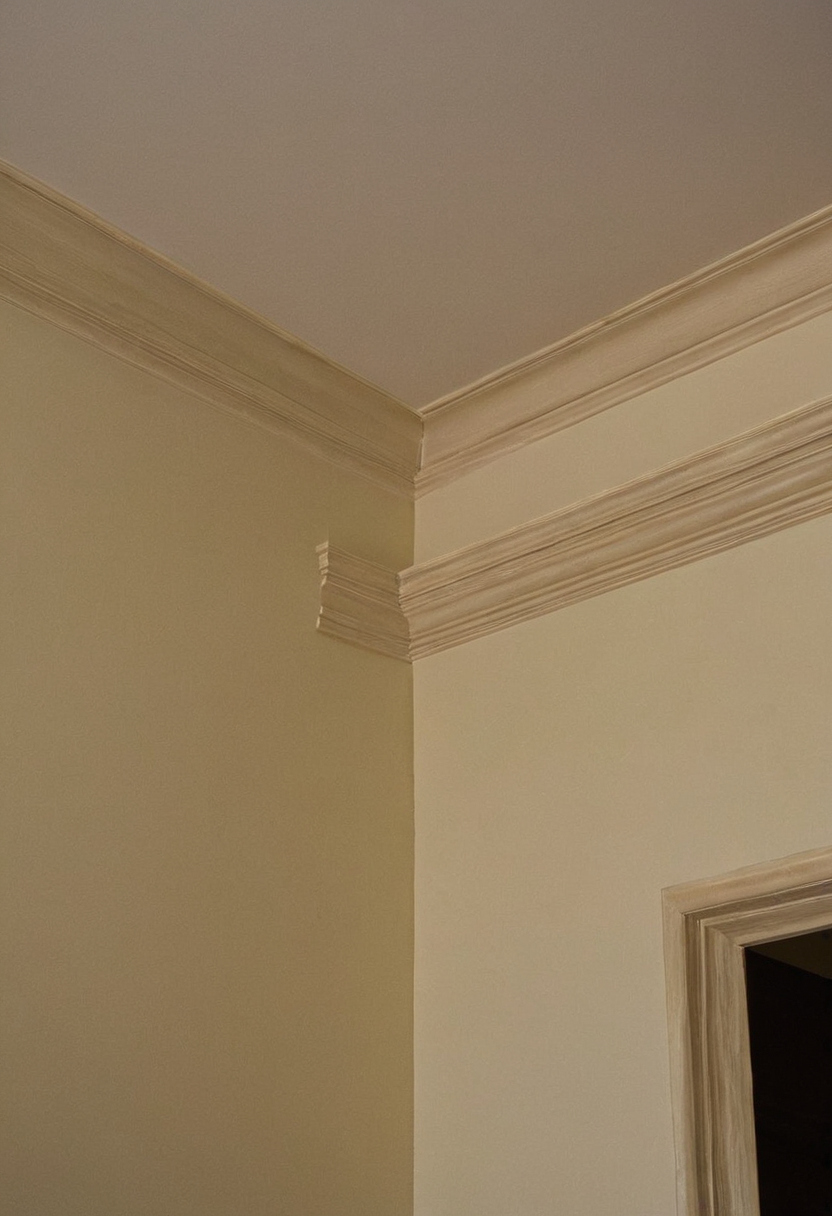
How should you specify a classical moulding profile for a millwork shop.
What are common errors when reproducing historical mouldings?
The useful question is not whether a proposed piece looks “classical” in isolation. Ask whether it follows the particular reference that was approved. Look for a missing narrow band, a curve that has changed direction, or a part of the drawing whose orientation is unclear. The ICAA's Tuscan example is a good reading exercise: if the ovolo and cavetto are shown but the separating fillet is absent, ask whether the omission was deliberate. Do not assume that the example dictates the answer for a different design.
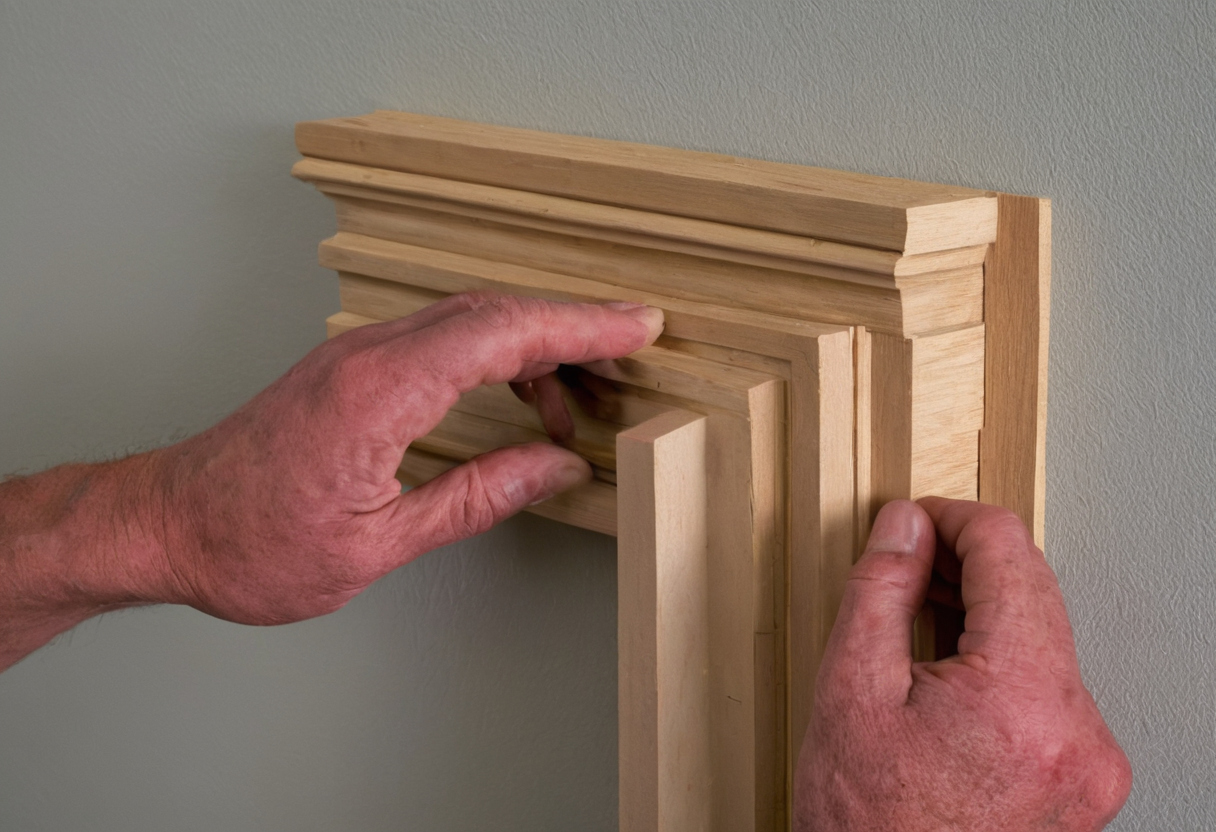
What are common errors when reproducing historical mouldings.
Another avoidable problem is approving a photo of a finished surface without the section that produced it. Put the section and sample together, and ask the shop to identify the face that corresponds to the drawing. If the sample differs, describe the exact area of disagreement. “The flat band between these curves is missing” gives the team a decision to make; “the trim feels wrong” leaves the drawing open to interpretation.
How do you verify custom millwork against the specified classical profile?
Review the first sample with the approved drawing in hand. Orient them the same way, then walk through the element list from the same starting point. Confirm the visible bands, the direction of each curve, and the transitions that were specifically called out. Photograph the sample beside the drawing, with a note identifying the approved version, so the final decision can be revisited without relying on recollection.
If a portion differs, mark it on the drawing and ask the shop to explain the alternative before approving further work. Decide whether the change is acceptable, whether a revised drawing is needed, or whether a new sample should be made. Record the choice in the package. A written sign-off is most useful when it says which sample and drawing were compared, rather than merely saying “approved.”
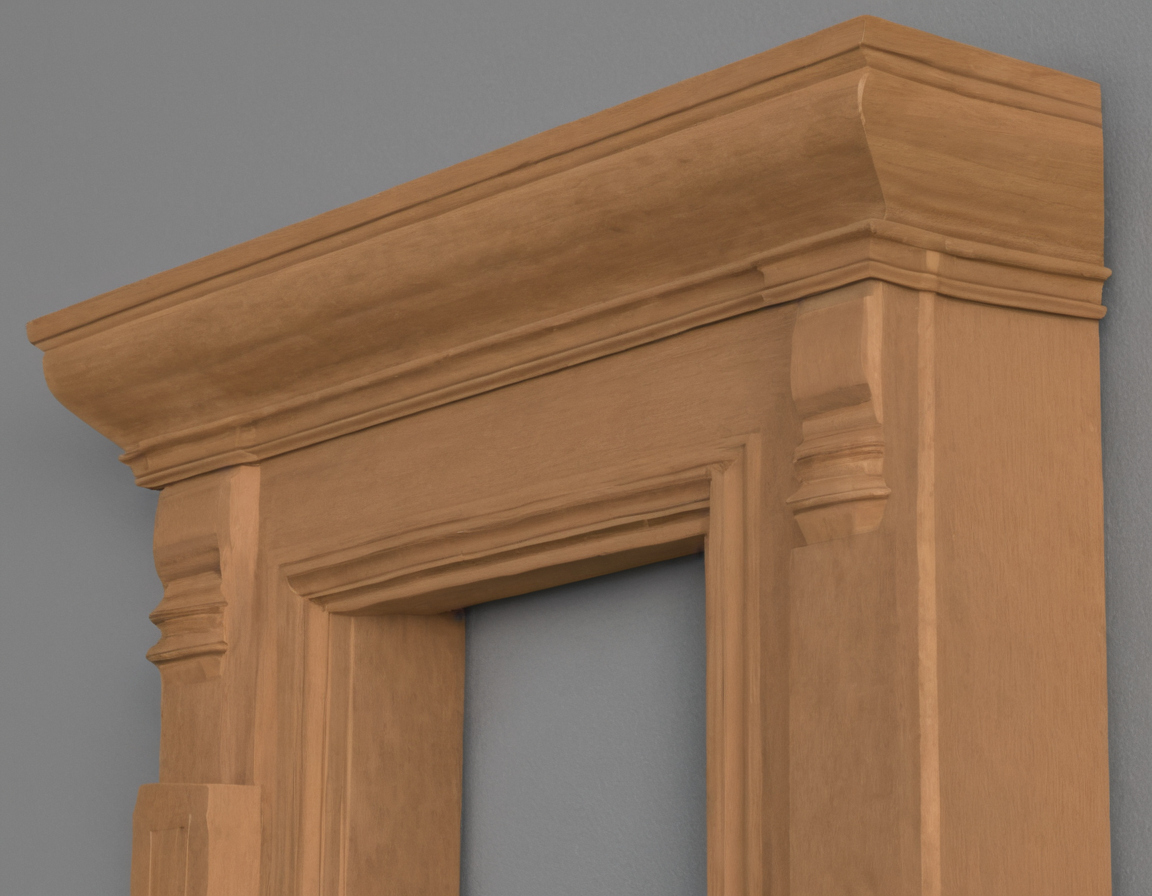
How do you verify custom millwork against the specified classical profile.
Frequently Asked Questions
How can I tell cyma recta from cyma reversa? Mark the top of the section first. In the ICAA's explanation, cyma recta has the concave curve above the convex one; cyma reversa reverses that order. Compare the drawing in that orientation before approving its label.
Is a photograph enough to order a reproduction? Use the photograph to explain the chosen reference, then ask for a section drawing that records the design the shop will make. If parts of the original cannot be measured or seen, identify those parts as decisions rather than promising an exact match.
What should I approve before the full order? Approve a clearly identified drawing and sample together. Record any changes to the element sequence, fit, or finish on the approved version. Keep that version available for the installation review.
For more on this topic, see other guides on this site.